Worm Therapy
Healing with Maggots: Experts Endorse Biotherapy for Chronic Wounds
Enugu, Nigeria- June 23, 2025, …ONN…
Medical professionals are drawing attention to the growing use of maggot therapy, scientifically known as larval debridement therapy, as an effective method for treating chronic wounds.
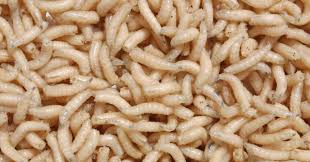
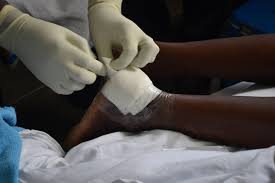
The therapy involves the controlled application of sterile, laboratory-grown fly larvae to wounds such as diabetic foot ulcers, pressure sores, and other non-healing injuries. The maggots feed on dead tissue, helping to clean the wound, reduce bacterial presence, and promote the growth of healthy tissue.
According to the News Agency of Nigeria (NAN), maggot therapy is gaining recognition as a low-cost, minimally invasive treatment option. However, experts warn that it must be performed under professional supervision.
Professor Eddy Ndibuagu, a public health specialist at Enugu State University of Science and Technology (ESUT) Teaching Hospital, acknowledged the potential benefits of the therapy but emphasized the need for further clinical research.
“While the procedure has been reportedly used in some northern hospitals, including Ahmadu Bello University Teaching Hospital in Zaria, its practice remains limited in the southern region, particularly the Southeast,” he said.
Ndibuagu cautioned that maggot therapy should only be administered by trained wound care specialists and in certified medical settings.
“The maggots must be sterile and clinically approved. Any unsupervised or home-based use could result in infection and complications,” he added.
Also speaking to NAN, Dr. Celestine Ugwoke, a general medical practitioner and former Chairman of the Nigerian Medical Association (NMA) in Enugu State, confirmed that the therapy has seen more frequent application in northern Nigeria, particularly in Kano State.
“Maggot therapy has long been in use in various parts of the world. It doesn’t require complex equipment or prolonged clinical procedures. It is more practical and can be cost-effective for wound management,” Ugwoke said.
He explained that the larvae used in the therapy are raised under sterile laboratory conditions and tested to ensure they do not carry harmful microorganisms.
“It works similarly to how pure honey is used in dressing wounds. It’s an ancient method that has been refined by modern science,” he added.
While maggot therapy offers a promising solution for chronic wound care, both experts agreed that more awareness, medical oversight, and scientific validation are necessary for its broader acceptance in Nigeria’s healthcare system.
About the Author