Waste Plastics
Abuja, Nigeria. June 17, 2025
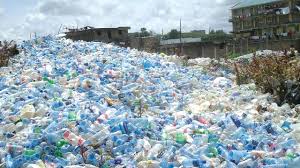
The Federal Government has announced a renewed commitment to combat plastic pollution through a national strategic framework aimed at promoting sustainability, recycling, and innovation in alternatives to single-use plastics.
Speaking at the 2025 World Environment Day commemoration in Abuja, Minister of Environment, Malam Balarabe Lawal, said the government had adopted the National Policy on Plastic Waste Management as part of its broader environmental agenda.
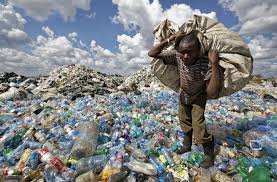
“As we celebrate World Environment Day, I reaffirm that the Federal Government under President Bola Tinubu is determined to create a cleaner, greener, and more resilient Nigeria,” Lawal stated. “Plastic pollution is not only an environmental challenge but also a public health and economic crisis.”
He noted that the new framework includes the Extended Producer Responsibility (EPR) Programme, which requires producers to be accountable for the lifecycle of their plastic products, from production to post-consumer disposal.
Lawal emphasized that Nigeria faces growing challenges from plastic waste, ranging from clogged urban drainage systems to microplastics infiltrating the food chain. “Every minute, plastic waste is dumped into our oceans and waterways, contributing to biodiversity loss and urban flooding,” he warned.
The minister also highlighted the importance of public engagement, describing the battle against plastic pollution as “a people-centered movement” essential for preserving the nation’s ecosystems and the future of its children.
Also speaking at the event, ECOWAS Commissioner for Economic Affairs and Agriculture, Massandje Toure-Litse, warned that West Africa generates nearly eight million metric tonnes of plastic waste annually, a figure projected to rise by 52% within five years. Over 80% of this waste, she noted, is mismanaged.
“Plastic pollution is a regional and global crisis. The ECOWAS Commission is working to harmonise regulations and scale up circular economy initiatives across member states, including Nigeria and Ghana,” Toure-Litse said. She also cautioned against microwaving lightweight plastics, citing cancer risks due to hydrocarbon content.
Private sector representatives echoed the government’s call to action. Alero Balogun, Senior Vice President at Oando Clean Energy, urged stakeholders to put people and purpose at the center of environmental partnerships. Habiba Abubakar, Managing Director of ZoomLion Nigeria, pledged support for the Ministry of Environment’s efforts to transform plastic waste into economic opportunity.
This year’s World Environment Day theme, “Ending Plastic Pollution,” underscores the urgent need for coordinated local, national, and regional responses to a growing environmental emergency.
About the Author