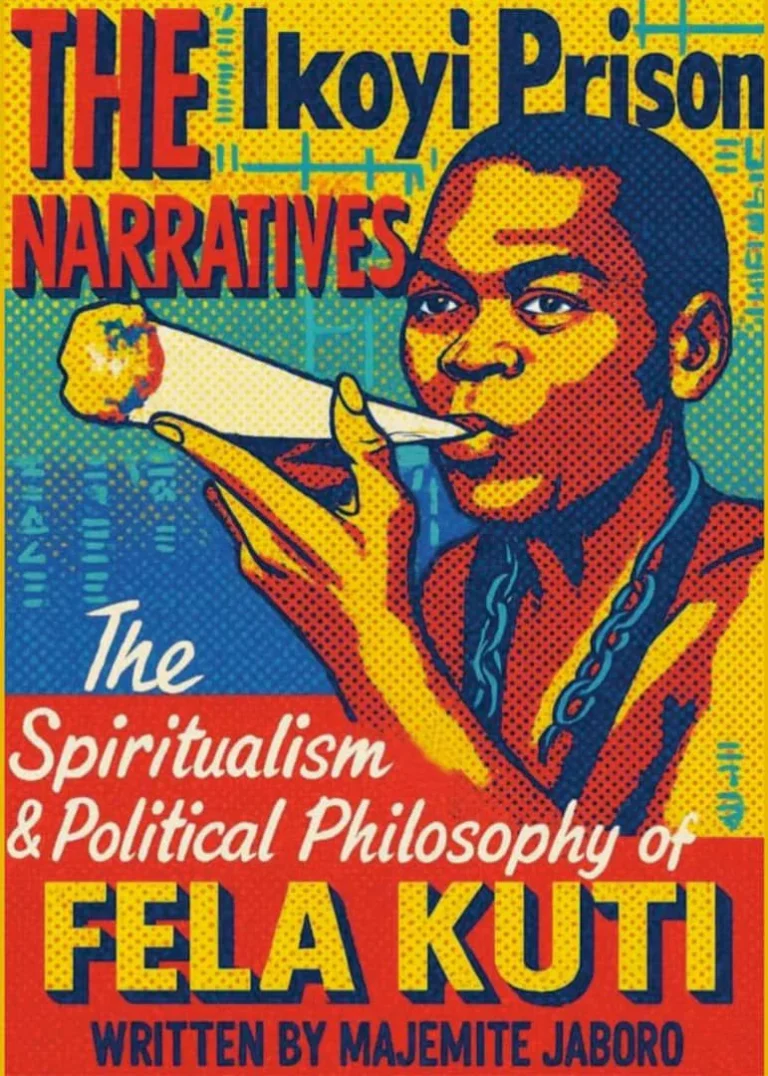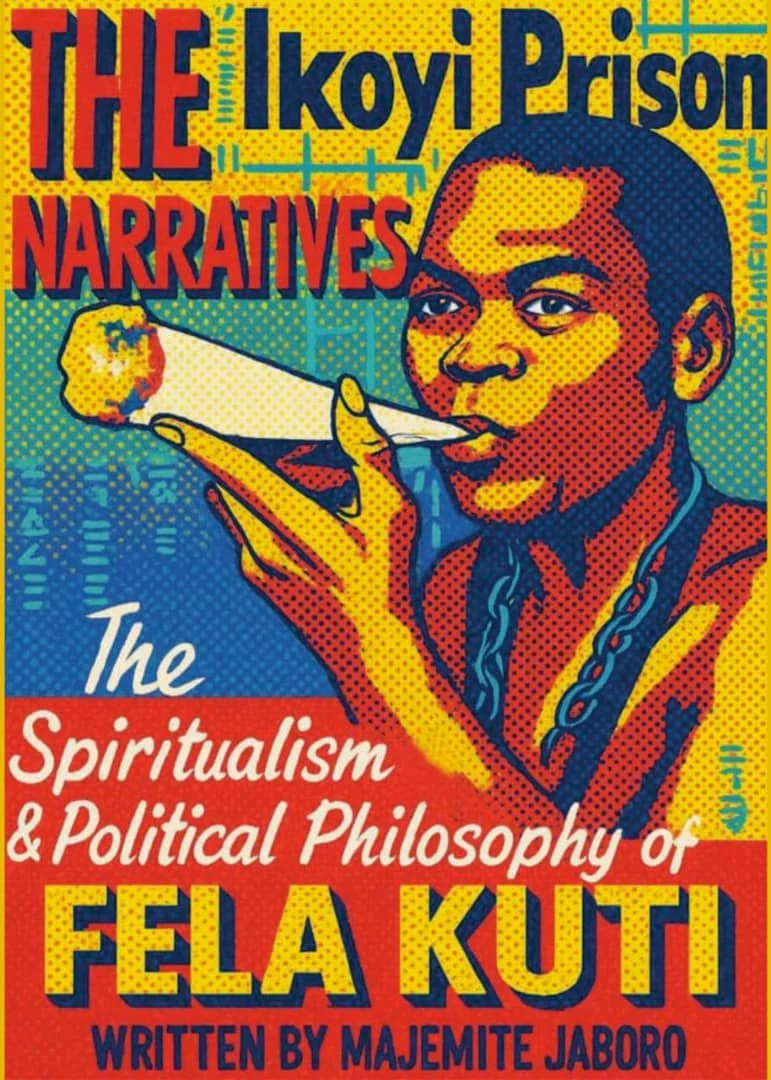
Fela Anikulapo-Kuti prison book
Lagos, Feb. 9, 2026. ONN….
Writer and historian Majemite Jaboro has published a new book, The Ikoyi Prison Narratives, shedding fresh light on the life, spirituality and political thought of Afrobeat pioneer Fela Anikulapo-Kuti.
The book is drawn from personal conversations between Jaboro and Fela during their detention at Ikoyi Prison, Lagos, between January and April 1993, when both men were awaiting trial in connection with a murder case.
Speaking with the News Agency of Nigeria (NAN) on Monday in Lagos, Jaboro said the work was motivated by a desire to preserve an important but often overlooked chapter in Nigeria’s political and cultural history.
He described Ikoyi Prison as a symbol of state repression, noting that Fela’s incarceration reflected a long-standing pattern of silencing dissenting voices.
“Fela’s imprisonment was a confrontation between truth and power,” Jaboro said.
According to him, the book combines eyewitness testimony, oral history, political context and cultural analysis, creating what he described as a living historical record.
“I did not set out to mythologise Fela,” he said. “I wanted to portray him as a human being navigating the machinery of the state.”
Jaboro explained that The Ikoyi Prison Narratives examines broader themes of resistance, power, identity and citizenship, using Fela’s prison experience to interrogate Nigeria’s history of governance, repression and public protest.
The author also re-examines Fela’s music—including Zombie, Alagbon Close and Expensive Shit—as political texts that documented military brutality and social injustice.
“These songs are sonic archives of experiences the state sought to suppress,” he said.
He added that Fela’s activism was inseparable from his African spirituality, Afrocentric philosophy and communal way of life, describing the musician as a thinker deeply rooted in the idea of African self-determination.
“Fela was more than an entertainer; he was a political philosopher and a mystic,” Jaboro said.
The book, he noted, highlights Fela’s lasting influence on contemporary African music, youth activism and protest culture.
“He showed that music could function as a manifesto,” Jaboro said.
Emphasising historical balance, Jaboro said the book presents both Fela’s strengths and his shortcomings.
“Flawless heroes do not exist in real history,” he said. “Honesty is essential.”
He added that the work also sends a message to political leaders on the dangers of repression and intolerance.
“When governments jail critics, they often strengthen the very voices they seek to silence,” he said.
Jaboro expressed hope that the book would help situate African experiences more prominently in global debates on music, resistance and social change.
NAN reports that The Ikoyi Prison Narratives provides a rare first-hand account of one of Africa’s most influential cultural figures, linking music, spirituality and political philosophy in modern Nigerian history.
NAN.
About the Author